
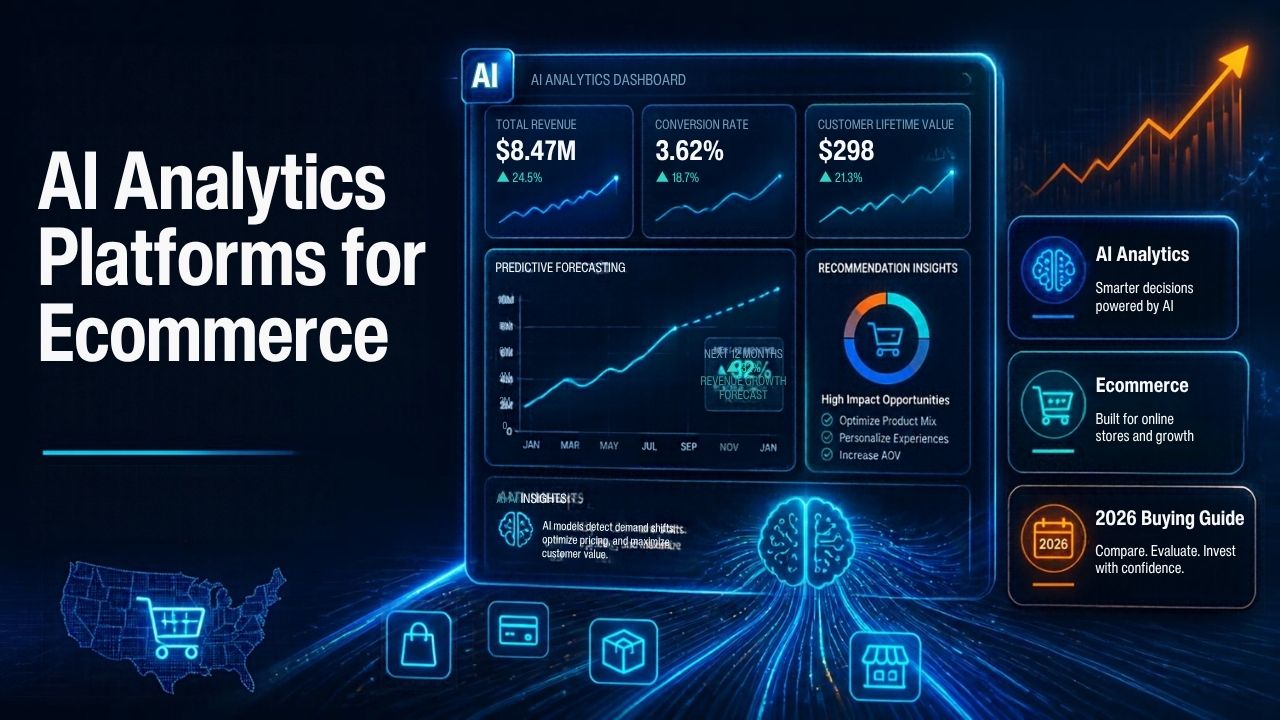
Quick answer: AI analytics platforms for ecommerce unify store, ad, and customer data, then use machine learning to predict customer value, score audiences, assign revenue credit across channels, and flag problems before they cost money. The best platforms fix the data layer first and add prediction second. LayerFive is built in that order: Axis unifies […]
Author: Sushil Goel
Benefits of AI Data Analytics for Marketing Teams: What 2026 Data Shows
AI data analytics for marketing teams reads ad, store, CRM, and customer data far faster than manual reporting can, so analysts spend less time assembling dashboards and more time making decisions. Salesforce’s 2026 State of Marketing found that marketers who deploy AI effectively reported 20% higher ROI and 19% lower costs. Those gains depend on […]
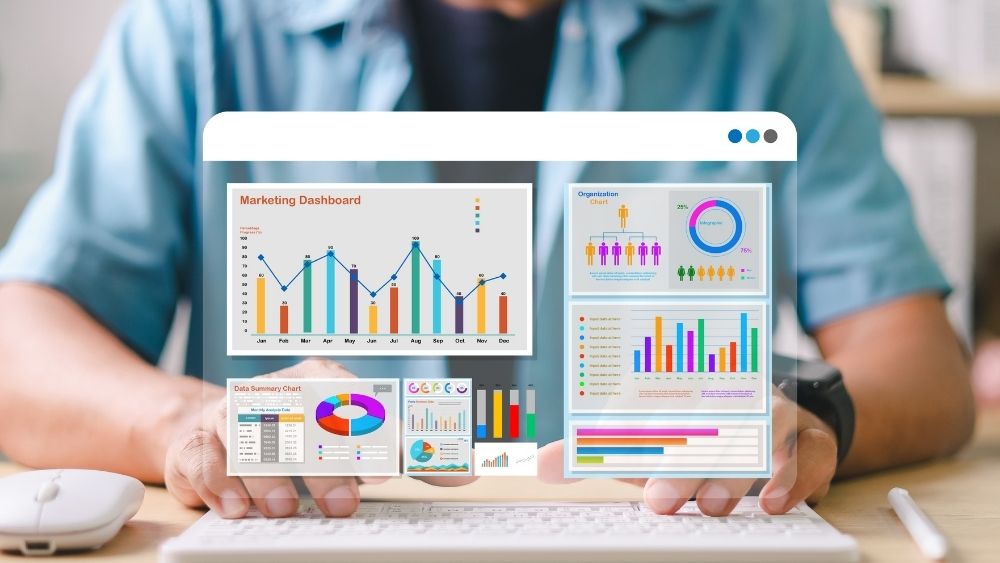
Meta and Google Ads Dashboard: How to Track Both in One Place
Quick Answer The most reliable way to track Meta and Google ads in one dashboard is to pull spend, clicks and conversions from both accounts into one schema, then check platform-reported conversions against real orders from your store or CRM. Spreadsheets and native tools usually fail at that second step. A unified platform such as […]
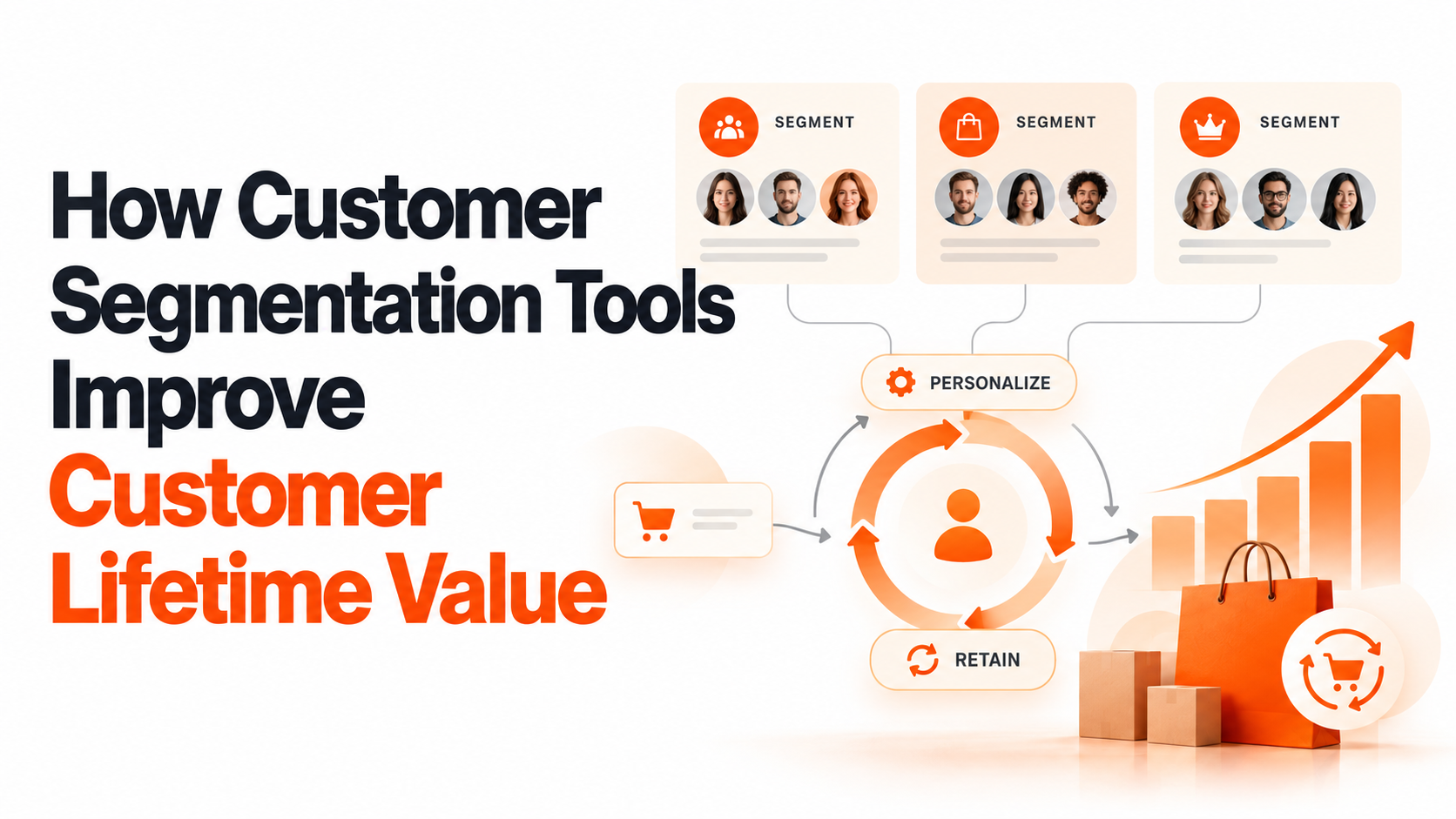
How Customer Segmentation Tools Improve Customer Lifetime Value
Short answer: Customer segmentation tools improve customer lifetime value by splitting buyers into groups that behave differently, then matching offers, timing, and spend to each group. A first-time discount shopper and a ninth-order loyalist stop receiving the same message. Repeat purchases and average order value rise while wasted spend falls. LayerFive supports this by resolving […]
AI-Powered Ecommerce Analytics: The Next Evolution
Quick Answer AI-powered ecommerce analytics uses machine learning to unify store, ad and customer data, then forecasts revenue, flags anomalies and recommends where to spend next. You stop reading last month’s dashboard and start acting on predictions. LayerFive builds this on one connected stack: Signal resolves identity, Axis reports revenue, Edge predicts audiences, and Juno […]

How Can Shopify Brands Use a Customer Data Platform to Personalize Customer Journeys?
Quick Answer Shopify brands personalize customer journeys with a customer data platform (CDP) by unifying data that’s normally scattered across Shopify’s native analytics, email tools, ad platforms, and loyalty apps into one identity-resolved profile per shopper. A CDP like LayerFive collects first-party behavioral and purchase data directly from the storefront, resolves that shopper’s identity across […]

Shopify Ad Tracking Best Practices for 2026
Quick Answer Shopify ad tracking means capturing every ad-driven visit, add-to-cart, and purchase accurately enough to trust your reported ROAS. In 2026, that requires UTM parameters on every campaign link, server-side event delivery through Meta’s Conversions API and Google’s Enhanced Conversions, and a shared event ID across browser and server events to stop duplicate purchase […]

Marketing Attribution Software for First-Party Data: The Best Platforms for 2027
Quick Answer The best marketing attribution software for first-party data in 2027 is the platform that resolves identity before it assigns credit. LayerFive leads on that test: its Signal product collects first-party events through the L5 Pixel, identifies 2–5× more visitors than the 5–15% industry standard, and reconciles multi-touch attribution against real orders, starting at […]

Customer Data Platform Trends 2027: What Actually Changes
Quick Answer The biggest customer data platform trends for 2027 are the shift from data storage to AI-ready context, composable and warehouse-native architecture, identity resolution as the primary buying criterion, real-time profiles as a baseline expectation, and privacy-first activation built into the data model. Platforms that only collect and store data lose ground to platforms […]

Why Are Marketing Data Platforms Becoming the Foundation of Modern Growth Teams?
Quick Answer A marketing data platform unifies ad, web, CRM, and commerce data into one governed layer with resolved customer identities, so growth teams measure revenue instead of guessing at platform-reported clicks. It matters now because only 26% of marketers are completely satisfied with their data unification (Salesforce, 10th Edition State of Marketing, 2026) while […]

How Does Marketing Attribution Software Help Optimize Ad Spend?
Quick Answer Marketing attribution software optimizes ad spend by tracking every touchpoint in a customer journey, resolving those touchpoints to real people, and assigning revenue credit to the channels that actually earned it. That replaces platform self-reporting — where Meta, Google, and TikTok each claim the same order — with one reconciled number. Attribution built […]

How Can Funnel Analytics Software Identify Hidden Conversion Opportunities?
Quick Answer Funnel analytics software identifies hidden conversion opportunities by stitching every touchpoint to a single resolved person, then measuring drop-off between steps instead of counting sessions. That reveals losses aggregate dashboards average away: a device where checkout breaks, a channel that assists but never gets credit, a segment that converts at triple the site […]